FS-112 - Thanksgiving - What it is & What it is Not

- Description
- Curriculum
- Reviews
- Grade
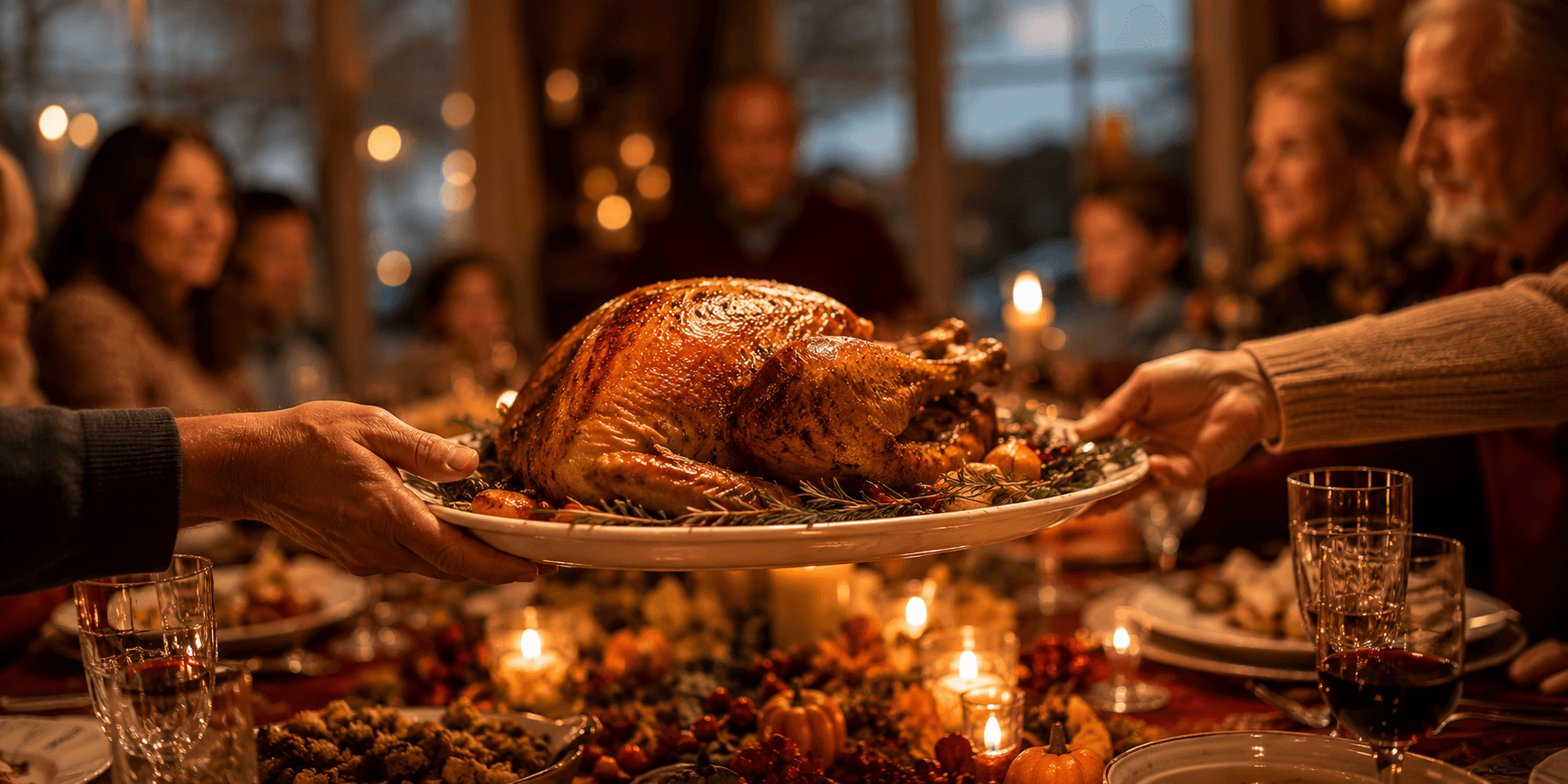
Thanksgiving is one of the most widely celebrated holidays in North America, yet few who observe it know its actual history, and fewer still are equipped to answer the growing chorus of voices calling for its cancellation. This course traces Thanksgiving from its lesser-known observances in Canada, Saint Lucia, Liberia, and Norfolk Island through the Pilgrims’ arrival in 1620, the first Thanksgiving of 1621, and the providential deliverance of the Plymouth colony in 1623. It follows the holiday’s development from the earliest colonial days of thanksgiving through Washington, Lincoln, and Franklin Roosevelt, into its modern American form — both the secular customs (parades, football, the presidential turkey pardon) and the religious observances that persist alongside them. The course then addresses head-on the criticisms leveled against Thanksgiving today: charges of glorifying colonization, erasing native suffering, and perpetuating a whitewashed history, along with the ideological currents (Critical Race Theory, democratic socialism) driving many of these calls to cancel the holiday. Students will come away with a historically grounded, Biblically reasoned answer to the question the course’s title poses — what Thanksgiving actually is, and what it is not — closing with Scripture’s own case for a heart of ongoing thanksgiving to God.
-
1
 Part 1 - Introduction
 -
2
Part 2 - Thanksgiving in Canada, Saint Lucia, Liberia, and Norfolk Island
-
3
Part 3 - The Pilgrims and America’s First Thanksgivings
-
4
Part 4 - The Development of the Thanksgiving Holiday in America
-
5
Part 5 - Modern Thanksgiving in the United States
-
6
Part 6 - Criticisms and Complaints About Thanksgiving in the USA
-
7
Part 7 - Conclusion: The Reality of and Christian Basis for Thanksgiving
-
8
Part 8 - References
-
9
 FS-112 - Thanksgiving Quiz
- Global origins and observances. How Thanksgiving is kept in Canada, Saint Lucia, Liberia, and Norfolk Island, alongside its familiar American form.
- The Pilgrims and the first Thanksgivings. The Mayflower Compact, the events of 1621, and the providential deliverance of 1623.
- The holiday's development in America. From colonial-era days of Thanksgiving through Washington's proclamation, Lincoln's national holiday, and FDR's calendar change, to Thanksgiving as it is observed today, both secular and religious.
- A Biblical response to modern criticism. A fair accounting of the historical grievances raised against Thanksgiving, the ideological movements amplifying them, and a reasoned Christian answer grounded in Scripture's own call to give thanks.
- No prior coursework is required — this lesson is written to stand on its own.
- A basic familiarity with American history is helpful but not assumed; all historical background needed is provided in the lesson.
- A willingness to engage fairly with viewpoints the student may find uncomfortable or unfamiliar, since the course presents genuine criticisms of Thanksgiving before responding to them.
- Access to a Bible (NKJV quoted throughout) for following the closing Scriptural argument.
- Believers who want a historically accurate, non-sanitized account of Thanksgiving's origins and development.
- Christians who have encountered criticism of Thanksgiving (colonialism, native genocide, cultural appropriation) and want a substantive, Scripture-grounded response rather than a dismissive one.
- Parents, teachers, and small-group leaders looking for accurate material to share with children or students around the holiday.
- Anyone drawn to The Remnant Bible Academy's Focused Studies courses on cultural and seasonal topics, following the same pattern as "The Truth About Halloween" and "What is Easter."