FS-111 - The Truth About Halloween


- Description
- Curriculum
- Reviews
- Grade
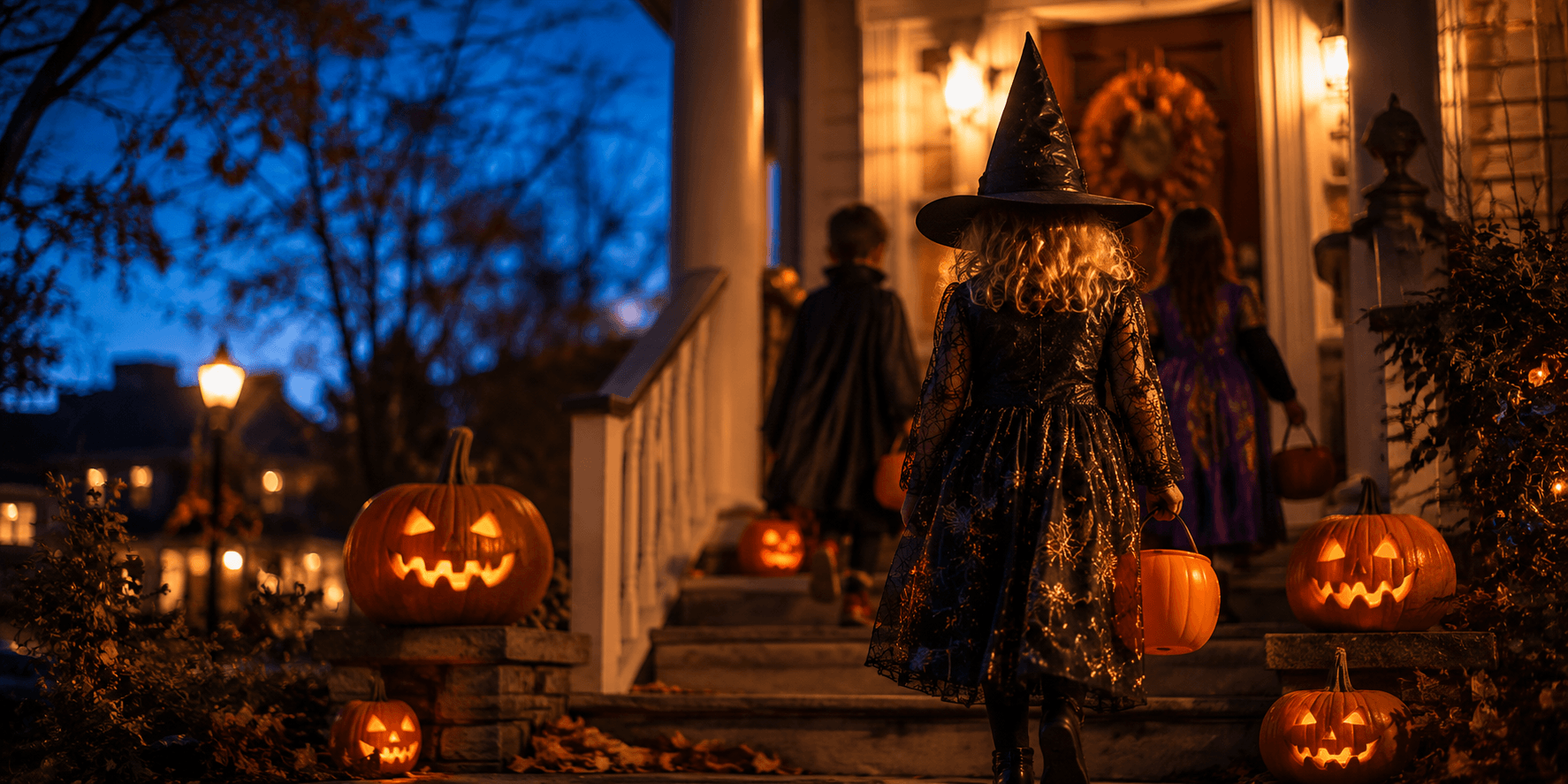
Halloween is one of the most misunderstood holidays on the calendar — claimed by some as purely pagan and by others as a harmless secular custom, with both sides often working from incomplete history. This course traces Halloween’s actual origins in full: the ancient Celtic festival of Samhain, and the entirely separate, genuinely Christian origin of All Saints’ Day, first established on May 13, 609 to honor martyrs — centuries before it was moved to November 1 by Pope Gregory III for reasons that had nothing to do with the pagan fall festivals many assume it was designed to displace. The course follows how the three-day observance of Allhallowtide (All Hallows’ Eve, All Saints’ Day, and All Souls’ Day) developed over the centuries, absorbing both genuine Catholic doctrinal error (like prayers for souls in purgatory) and folk customs from Samhain and other sources, including souling, guising, jack-o’-lanterns, and trick-or-treating. It surveys how these traditions crossed the Atlantic with Irish and Scottish immigrants and became the modern American holiday. The course then lays out, fairly and in detail, the strongest Christian arguments both against and for observing Halloween, before offering a balanced, Biblical resolution grounded in Romans 14 — one that neither condemns believers who abstain nor gives license to adopt genuinely occultic practices under the banner of “harmless fun.”
-
1
 Par 1 - Introduction
 -
2
Part 2 - The Ancient Origins and Early Transitions of Halloween
-
3
Part 3 - The May 13 Date Behind All Saints’ Day
-
4
Part 4 - All Hallows’ Eve and Associated Days of Church Observances in Their Early Days
-
5
Part 5 - Changes in Observance
-
6
Part 6 - Among the Celts and in Europe
-
7
Part 7 - The Spread of the Celebration to North America; The Symbols and Imagery of Halloween
-
8
Part 8 - Trick-or-treating, Guising, Costumes, Other Halloween Activities, and Foods
-
9
Part 9 - Christian Perspectives on Halloween
-
10
Part 10 - A Balanced, Biblical Stance on Halloween
-
11
Part 11 - References
-
12
 FS-111 - The Truth About Halloween Quiz

- Halloween's two distinct historical roots: the ancient Celtic festival of Samhain, and the entirely separate Christian origin of All Saints' Day, first established May 13, 609 to honor martyrs.
- How Allhallowtide developed over the centuries — All Hallows' Eve, All Saints' Day, and All Souls' Day — absorbing both genuine Catholic doctrinal error and folk customs from Samhain and other sources.
- The traditions students already know — souling, guising, jack-o'-lanterns, trick-or-treating, and Halloween costumes — traced to their actual historical origins rather than assumed ones.
- A fair presentation of the strongest Christian arguments both against and for observing Halloween, followed by a balanced, Biblical resolution grounded in Romans 14.
- No prior background in church history or folklore is assumed; all terms and background are explained as they're introduced.
- Access to a Bible (NKJV) for personal cross-reference is recommended.
- A willingness to examine a controversial holiday's actual history with an open mind, rather than assuming what's already believed about it — from either direction — is correct.
- An interest in how the Church's own history intersects with folk custom will help but isn't required.
- Students who have heard Halloween called "purely pagan" and want a clear, historically grounded answer.
- Students who observe Halloween casually and want to understand what it does and doesn't have to do with paganism.
- Parents and church leaders weighing how to handle Halloween within their own families or congregations.
- Believers who want a Biblically grounded, non-legalistic framework (Romans 14) for navigating disputable matters like this one.