
FS-110 - What is Easter?


- Description
- Curriculum
- Reviews
- Grade
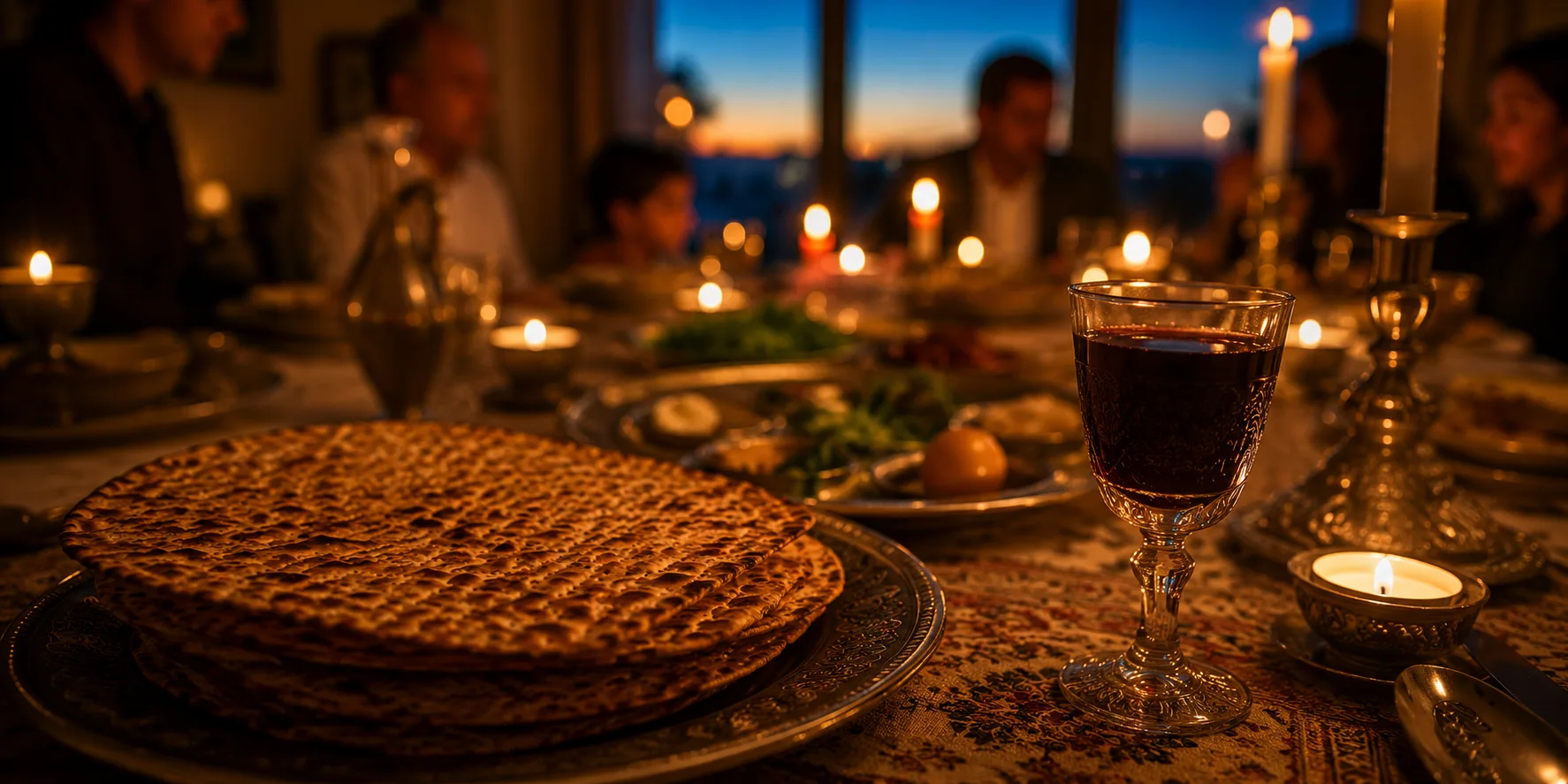
Easter is the most widely attended holiday on the Christian calendar, yet few believers know where its name, its symbols, or even its date actually come from. This course traces Easter’s full history in two parts. It first examines the holiday from the pagan side — the pre-Christian spring festivals, the goddess Eostre, and the eggs, hares, and hot cross buns adapted from those traditions during the Middle Ages and after — and shows why the modern Christian celebration, properly observed, has nothing to do with paganism despite sharing some of its symbols. The course then turns to Easter’s much older and far more significant root: the Jewish Passover. It walks through the Exodus account in detail — the plagues, the blood on the doorposts, the instructions for the Passover lamb — and draws out the striking typology connecting the Passover lamb to Christ Himself, from His unbroken bones to His role as “our Passover” in the words of Paul. From there the course traces how the early Church, largely Jewish at first, observed Passover as a commemoration of Christ’s death and resurrection, how the Quartodeciman controversy split East and West over when to celebrate it, and how the Council of Nicaea in AD 325 set the rule still followed today — Easter falls on the Sunday after the first full moon after the vernal equinox. The course closes with a survey of how Easter is actually observed today across Catholic, Orthodox, and Protestant traditions, and with the ancient Resurrection greeting that still echoes through churches every Easter Sunday: “He is risen! He is risen indeed!”
-
1
 Part 1 - Introduction
 -
2
Part 2 - Easter From the Pagan Side
-
3
Part 3 - How Were Easter Traditions Included in Christianity?
-
4
Part 4 - Passover: The Ancient Link to Christian Easter
-
5
Part 5 - Passover and the Early Church
-
6
Part 6 - The Setting of the Easter Date and the Evolution of the Holiday
-
7
Part 7 - Some Modern Easter Observance Practices
-
8
Part 8 - Conclusion
-
9
Part 9 - References
-
10
 FS-110 - What is Easter? Quiz

- Easter's pagan-era symbols and traditions: the goddess Eostre, the spring equinox, eggs, hares, and hot cross buns, and how and when each was actually adopted into Christian observance.
- Passover's deep typological connection to Christ: the Exodus account, the Passover lamb, unleavened bread, and the striking parallels between the Passover instructions and Christ's own death.
- The early Church's observance of Passover/Pascha and the Quartodeciman controversy, culminating in the Council of Nicaea's AD 325 ruling that still sets Easter's date today.
- How Easter is actually celebrated today across Roman Catholic, Eastern Orthodox, and Protestant traditions, and the shared Resurrection greeting that unites them.
- No prior background in church history or Jewish festival practice is assumed; all terms and background are explained as they're introduced.
- Access to a Bible (NKJV) for personal cross-reference is recommended.
- A willingness to examine a familiar, beloved holiday's actual history with an open mind, rather than assuming what's already believed about it is correct.
- An interest in typology — how Old Testament events and symbols point forward to Christ — will help but isn't required.
- Students who have heard Easter called "pagan" and want a clear, historically and Biblically grounded answer.
- Anyone who wants to understand why Passover and Easter are connected, and what that connection reveals about Christ.
- Students of church history interested in how a single Christian holiday's date became a centuries-long controversy.
- Believers who want a deeper appreciation for Resurrection Sunday than the version handed down by tradition alone.