Islam


- Description
- Curriculum
- Reviews
- Grade
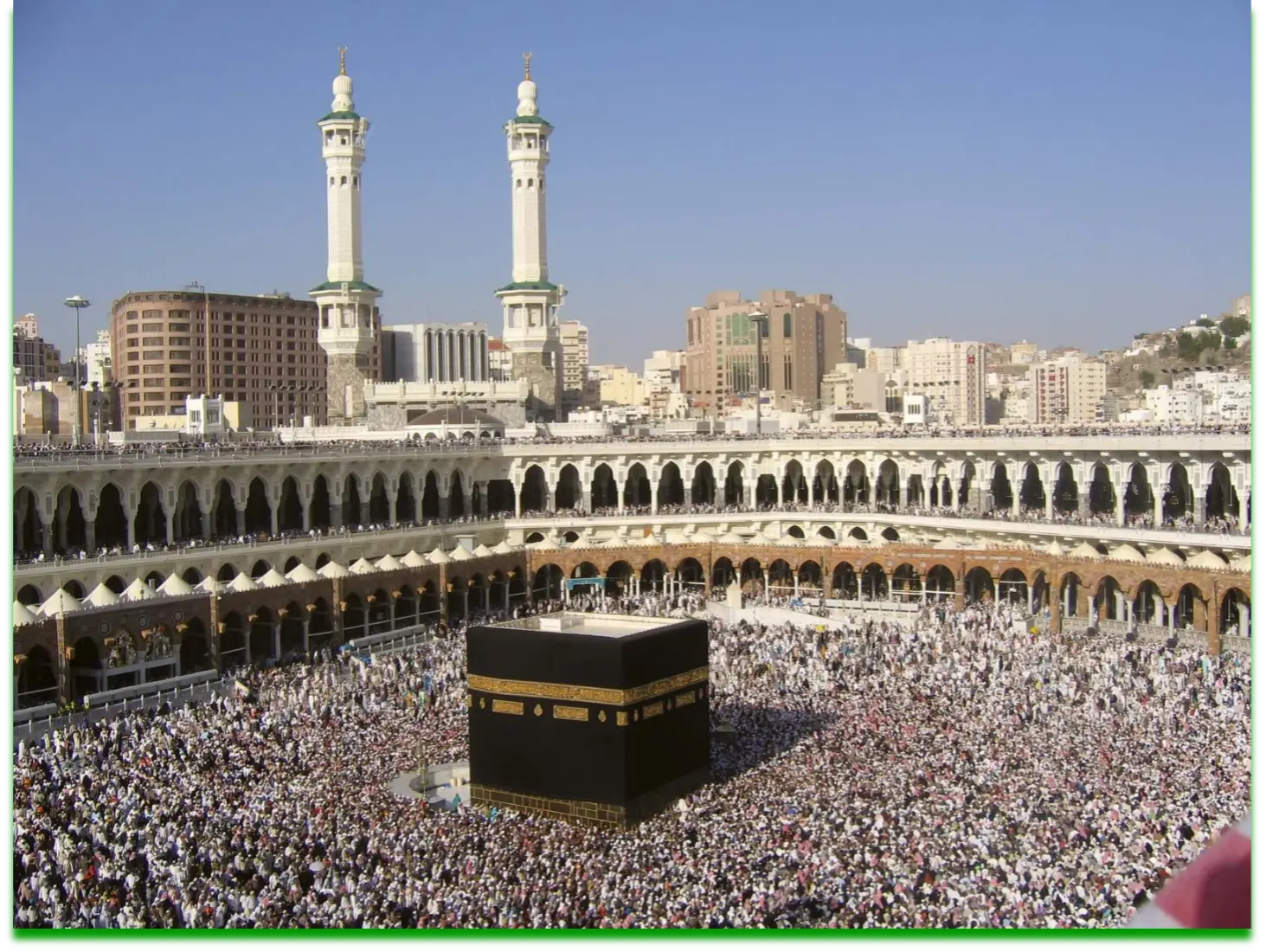
The Major World Religions course on Islam at The Remnant Bible Academy offers a rigorous academic inquiry into the origins, theological structure, and global expansion of the Islamic faith. This curriculum examines the historical emergence of Islam in the 7th-century Arabian Peninsula, tracing its development from the revelations of Muhammad to its current status as the world’s second-largest religion.
-
Course Focus: This study provides a deep-dive analysis of Islamic monotheism (Tawhid) and the religion’s comprehensive legal and ethical framework. It explores the theological implications of final prophethood, the five pillars of practice, and the integration of the Quran as the literal, uncreated word of God.
-
Key Topics: Scholars will engage in a critical review of the Quran and the Hadith (prophetic traditions), investigate the historical schism between Sunni and Shia branches, and analyze the development of Sharia (Islamic law) and its application throughout various caliphates and modern nation-states.
-
Learning Outcomes: Students will be able to synthesize complex Islamic doctrines—such as the nature of submission, the role of the Ummah, and eschatological views—evaluate Islam’s profound impact on global science, philosophy, and geopolitics, and conduct a comparative theological critique between the Islamic worldview and the Biblical perspective on the person, work, and divinity of Jesus Christ.
Beyond the historical and doctrinal survey, the course challenges students to evaluate the contemporary diversity within the Muslim world, ranging from Sufi mysticism to modern reform movements. By examining the tension between traditionalist interpretations and the pressures of globalization, learners gain a nuanced understanding of the cultural and political complexities facing modern Islam. This academic journey concludes with a final synthesis that addresses the Christian Gospel in relation to the Islamic concept of the “Straight Path,” providing a unique platform for high-level theological discourse and cultural apologetics.
-
1
 Part 1 - Introduction
 -
2
Part 2 - The Origin and Development of Islam
-
3
Part 3 - The Islamic Calendar
-
4
Part 4 - The Quran, the Hadith, and the Five Pillars of Islam
-
5
Part 5 - Holy Sites, Mosques, and General Leadership Principles in Islam
-
6
Part 6 - Islamic Religious Doctrines
-
7
Part 7 - A Concise History of Islam
-
8
Part 8 - The True Nature of Islam
-
9
Part 9 - Where We Think Islam is Going
-
10
References
-
11
 Islam TestIslam Test
 -
12
 Essay Question #1
 -
13
Essay Question #2
-
14
Essay Question #3
-
15
Essay Question #4

-
Overview of Islamic beliefs, practices, and sacred texts
-
Introduction to the life of Muhammad and major branches of Islam
-
Christian worldview framework for understanding and engaging adherents of the Islamic faith
-
Possess a solid grasp of the foundational doctrines and teachings of Christianity prior to enrollment
-
Personally look up and study all referenced Scripture passages using your own Bible throughout the course
-
Complete all required coursework, including lessons, assignments, assessments, and the final examination
-
Christians seeking a clearer understanding of Islam from a Biblical and theological perspective
-
Ministry leaders, educators, and outreach workers engaged in interfaith or cross-cultural contexts
-
Bible students desiring to strengthen discernment and apologetic skills related to world religions
-
Individuals pursuing academic study of major world religions within a Christian framework